
Vijay Hazare Trophy 2025-26: Shaping India’s ODI Future with Kohli, Rohit, and Emerging Stars
Contents
Vijay Hazare Trophy 2025-26: A Pivotal Turn for Indian ODI Cricket
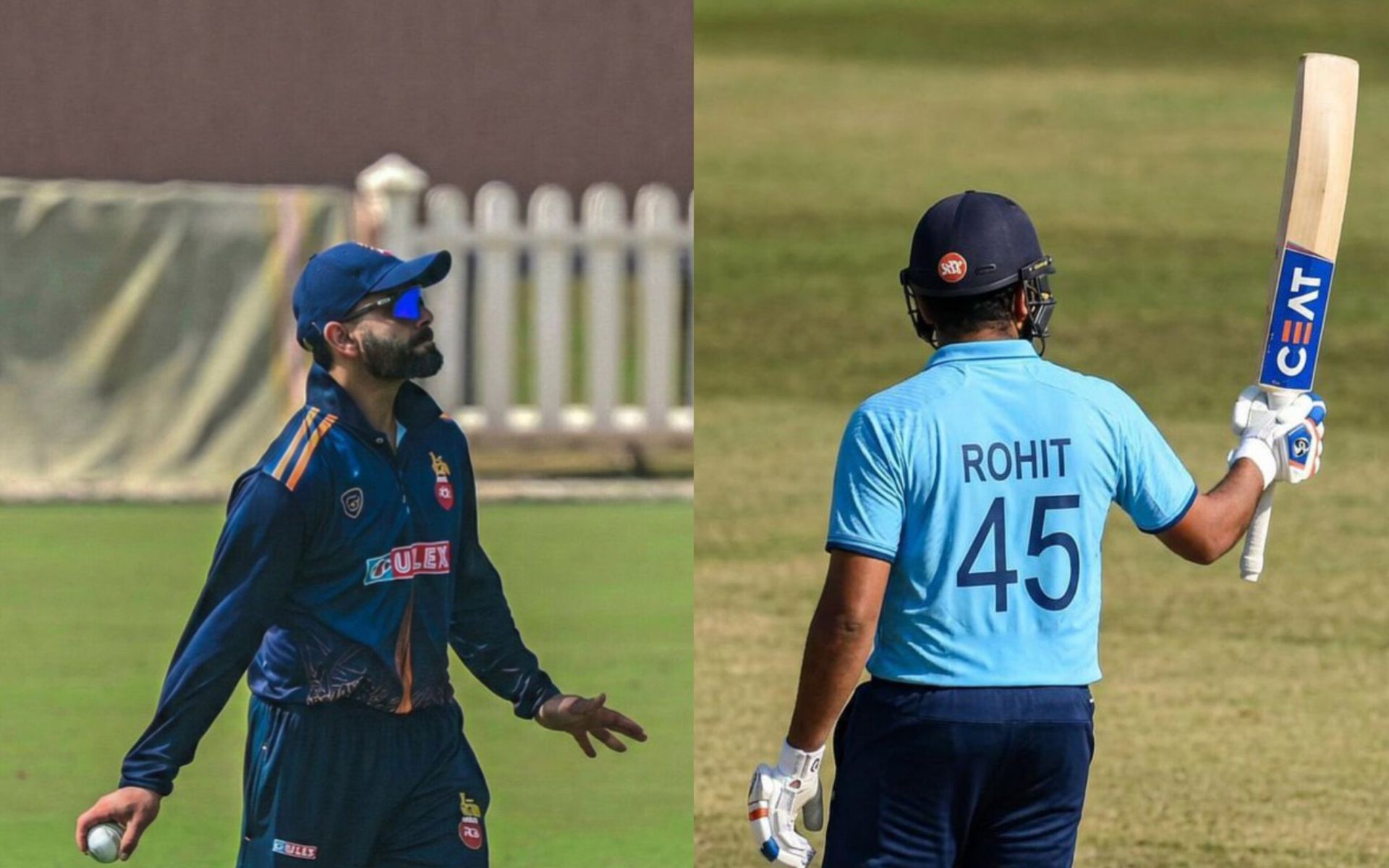
The 33rd edition of the Vijay Hazare Trophy began on December 24, and it’s already proving to be more than just a domestic one-day competition. With Virat Kohli and Rohit Sharma taking the field for their respective state teams, the tournament has captured national attention — not just for nostalgia, but for its potential to shape India’s ODI strategies for years to come.
Why This Edition Matters
Though Kohli and Rohit’s participation has drawn the spotlight, the broader significance lies in India’s transitional phase. With the 2027 ODI World Cup on the horizon, the national selectors are closely monitoring performances to identify players who can seamlessly integrate into the senior team.
Domestic cricket across the globe has faced scrutiny over declining standards, but the Vijay Hazare Trophy remains a vital pipeline for talent. This year, it could serve as the blueprint for India’s future ODI setup, especially in key areas like the middle order and pace bowling depth.
The Kohli-Sharma Factor: Legacy Meets Leadership
Virat Kohli and Rohit Sharma have made explosive starts in the tournament. Both scored centuries in their opening matches, reaffirming their intent to remain central figures in India’s 2027 World Cup plans.
Kohli, in particular, has been vocal about his approach to fitness and preparation. After a match-winning century against South Africa in an ODI earlier in the season, he said:
“I’ve never been a big believer of a lot of preparation, if that makes sense. All my cricket has been mental. As long as I feel mentally I can play the game, I work physically very hard every day of my life. It’s got nothing to do with cricket anymore.”
Yet, their involvement hasn’t been without controversy. Former chief selector MSK Prasad warned against inconsistent policies, emphasizing that legends like MS Dhoni were never pressured to play domestic cricket. Instead, clear communication and a firm perform-or-perish model should prevail.
Who Will Fill Kohli’s Shoes at No. 3?
Virat Kohli has anchored India’s ODI batting at number three for over 15 years. At 37, his consistent form offers breathing room — but planning for the post-Kohli era is no longer optional.
One name gaining traction is Dhruv Jurel. In the current Vijay Hazare Trophy, he’s scored 147 runs in two games at an average of 73.50 and a strike rate of 124.57, including two half-centuries. His aggressive yet composed style makes him a strong contender for the long-term role.
While it’s early, the Indian management is likely evaluating Jurel not just for his stats, but for his adaptability under pressure — a trait essential for the No. 3 slot.
Bolstering India’s Pace Attack
India’s ODI pace battery has looked fragile without Jasprit Bumrah. With injuries and inconsistent performances plaguing the current setup, the Vijay Hazare Trophy is emerging as a crucial talent scout for reliable 50-over bowlers.
Two pacers have stood out early:
- Devendra Singh Bora (Uttarakhand) – 7 wickets in 2 matches, including a four-wicket haul. Gained attention by dismissing Rohit Sharma for a golden duck.
- Raj Limbani (Baroda) – 8 wickets, including a five-wicket haul, making him the second-highest wicket-taker in the tournament.
Both bowlers have demonstrated control, variation, and the ability to perform in demanding List-A conditions — qualities the Indian team desperately needs.
Looking Ahead: Clarity Over Comfort
The current Indian ODI setup may appear strong, but cricket thrives on preparedness. The Vijay Hazare Trophy 2025-26 isn’t just about picking winners — it’s about identifying successors, testing strategies, and ensuring continuity.
As the tournament unfolds, every half-century, every wicket, and every match-winning performance could influence who wears the blue jersey in 2027. The questions aren’t urgent — but the answers are beginning to emerge on domestic turfs across India.