
Players like Rohit, Inzamam: Vaibhav Sooryavanshi’s restricted growth in IPL concerns

Contents
The Impact Player Rule: A Hindrance to Holistic Development
In the rapidly evolving landscape of modern cricket, the Indian Premier League (IPL) has introduced several innovations to keep the game dynamic and exciting. However, the introduction of the ‘Impact Player’ rule has sparked a significant debate among cricket purists and analysts. Recently, former Indian international Sanjay Manjrekar expressed strong concerns, suggesting that Players like Rohit, Inzamam: Vaibhav Sooryavanshi’s restricted growth in IPL concerns are a direct consequence of this specific regulation.
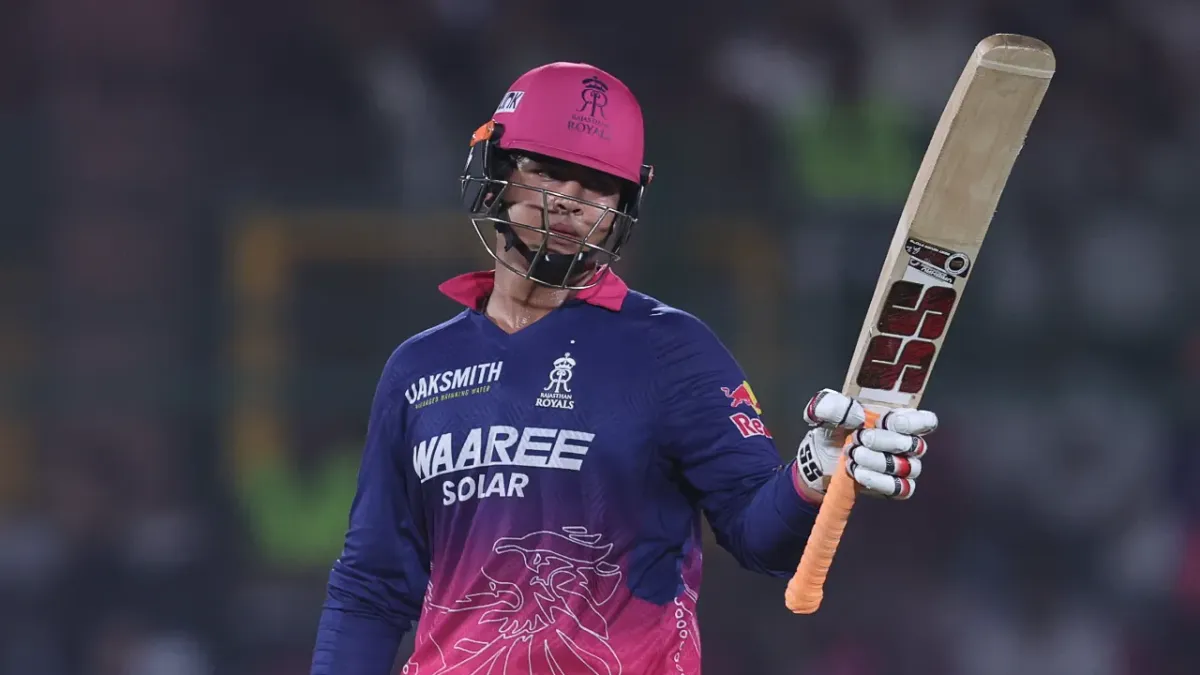
Vaibhav Sooryavanshi, a promising young talent, has enjoyed a sensational season for the Rajasthan Royals. With 583 runs in 14 matches and a staggering strike rate exceeding 200, his batting prowess is beyond dispute. Yet, Manjrekar argues that by utilizing him primarily as an impact substitute who does not participate in fielding duties, the franchise is stifling his complete development as a professional cricketer.
The Rohit Sharma and Inzamam-ul-Haq Comparison
During his appearance on the Sportstar Inside Edge podcast, Manjrekar drew sharp comparisons to legendary figures of the game. He pointed out that while players like Rohit Sharma or, historically, Inzamam-ul-Haq, had specific roles where they might not be the most active in the field, the modern systemic encouragement of this behavior through the Impact Player rule is detrimental. Manjrekar noted that a player’s worth should be evaluated by their contributions across all facets of the game—batting, bowling, and fielding.
“For me, the Impact Player Rule shouldn’t be there,” Manjrekar emphasized. “Are we ready to see Vaibhav Sooryavanshi going the same way? You want to see just one aspect of his game. A cricketer should be allowed to contribute across disciplines. Earlier, we lauded players like Inzamam-ul-Haq for their batting and the other side of them on the field.”
Questioning the Sustainability of the Current Model
The critique goes beyond the individual talent; it questions the long-term impact on the health of Indian cricket. Manjrekar highlighted the financial rewards for minimal on-field effort as a potential danger to a player’s work ethic. He observed that when a player can contribute for a mere 15 balls and receive a full match fee without needing to contribute in the field, the incentive to master the complete art of the game diminishes.
“I don’t want to focus on the money part, but when you make easy money without putting in a hard effort, there is a need to question the model,” Manjrekar stated. “You can’t achieve long-term success by following this trend.”
A Call for Holistic Cricket
The argument put forth by Manjrekar is that cricket is a sport designed to test the overall development of an individual. By limiting a bowler to just four overs or a batter to a specific cameo role without integrating them into the defensive side of the game, the sport loses its multidimensional character. He points to the success of the Indian team in international T20 tournaments as evidence that the Impact Player rule is unnecessary for achieving elite success.
“India have won two consecutive T20 World Cups without the introduction of the Impact Player Rule in international cricket,” he added. “There are players like Shivam Dube, who can contribute to the success of the team even without bowling. We see those things happening. For me, a cricketer is not there to come to the middle to play a cameo and then sit back to relax.”
Conclusion: Prioritizing the Future
As the BCCI weighs the future of the Impact Player rule, the concerns raised regarding the development of young stars like Sooryavanshi carry significant weight. The consensus among traditionalists remains that the game should examine every aspect of a cricketer’s skill set rather than isolating one performance factor. Whether the IPL will pivot back to a more traditional format remains to be seen, but the warning regarding the potential stagnation of young talent due to current tactical trends serves as a crucial reminder of what true cricketing excellence requires.