
BCCI vs BCCI Over IPL Honey Trap – BCCI Internal Divide: The IPL 2026 Honey-Trapping Advisory Explained
Contents
Internal Tensions Surface Over IPL Security Protocols
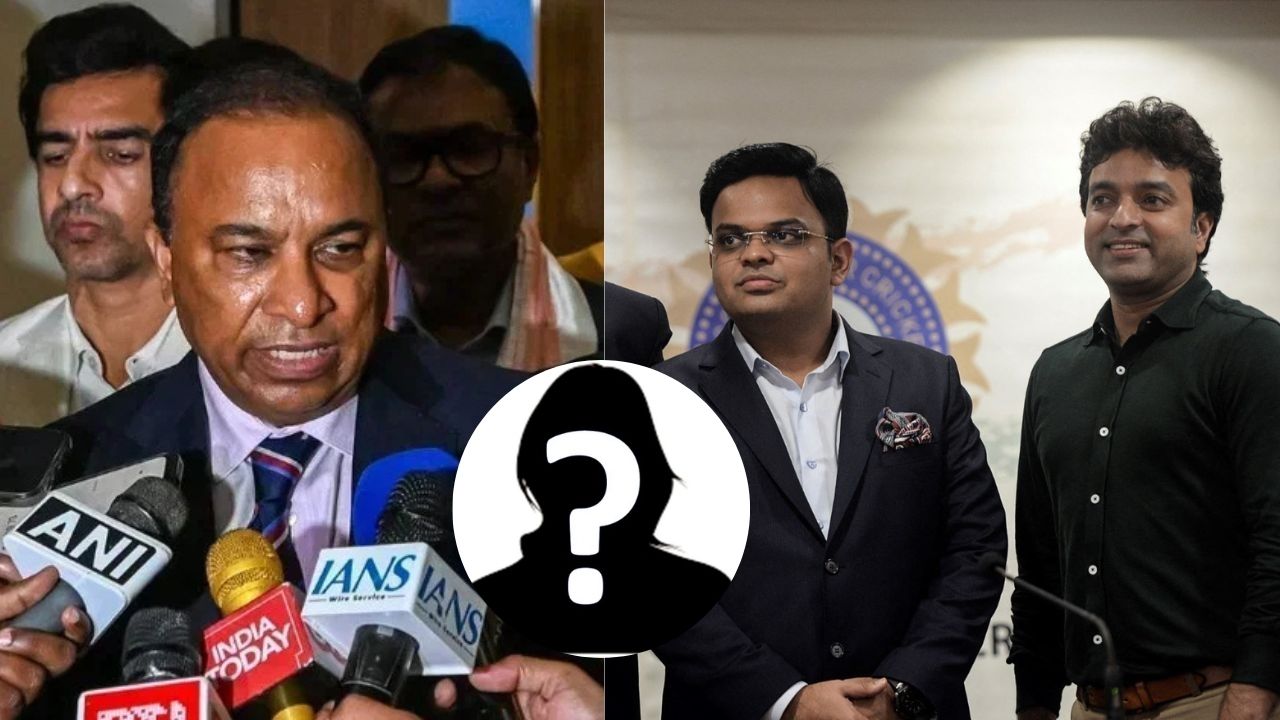
The Board of Control for Cricket in India (BCCI) has found itself at the center of a curious internal debate regarding the integrity and security of the Indian Premier League (IPL). Following a proactive measure to safeguard the reputation of the tournament, the governing body issued a comprehensive seven-page advisory to all ten IPL franchises, warning them of the dangers associated with honey-trapping, unauthorized movements, and potential security breaches during the 2026 season.
The BCCI Advisory: A Call for Vigilance
The advisory, penned by BCCI Secretary Devajit Saikia, highlights the board’s intent to protect players and support staff from situations that could lead to severe legal or reputational damage. The document explicitly draws attention to the risks of targeted compromise, which are often found in high-profile sporting environments worldwide. The BCCI urged franchises to remain vigilant, noting that incidents involving sexual misconduct allegations could have devastating consequences for the league’s image.
The move comes on the heels of a series of publicized incidents throughout the 2026 season. These controversies, which include the Rajasthan Royals’ management being questioned over phone usage in the dugout and the widely reported vaping incident involving captain Riyan Parag, have clearly prompted the board to tighten its grip on team conduct.
The IPL Governing Council’s Stance
Despite the gravity of the BCCI’s written advisory, there appears to be a significant disconnect between the board’s office bearers and the IPL Governing Council. IPL Chairman Arun Dhumal has publicly pushed back against the narrative, asserting that no honey-trapping incidents have occurred during the 2026 edition.
In an exclusive interaction, Dhumal dismissed the reports, labeling the tournament as clean. He acknowledged that while there were minor lapses in conduct—specifically referencing the Riyan Parag vaping incident, which he admitted could have been avoided—he maintained that he has no information regarding any honey-trapping cases. When questioned about the specific contents of Secretary Devajit Saikia’s advisory, Dhumal stated, “I am not privy to any such information either. He would be the best person to comment on that. But nothing of the sort has happened in this edition, as far as my understanding and knowledge go.”
A Season Defined by Drama and Performance
Beyond the administrative back-and-forth, IPL 2026 has provided fans with a high-octane spectacle on the field. As the tournament reaches its dramatic conclusion, the competitive spirit has remained at an all-time high. The Royal Challengers Bengaluru (RCB) have successfully punched their ticket to the final for the second consecutive season, cementing their status as a dominant force in this year’s campaign.
The final puzzle piece will be set once the winner of Qualifier 2 is decided. The battle for that remaining spot sees the Gujarat Titans and the Rajasthan Royals vying for the right to challenge RCB for the coveted championship title. As the cricket world watches, the internal discourse regarding security protocols remains a secondary narrative to the intense on-field action.
The Path Forward for IPL Franchises
The BCCI’s advisory serves as a firm reminder that in the era of modern sports, the off-field conduct of players and staff is under constant scrutiny. Whether or not the concerns raised by the BCCI are viewed as preemptive or reactionary, the message to franchises is clear: the league expects total compliance with tournament rules and a heightened awareness of the risks that come with global fame. For now, the focus shifts back to the pitch, where the final stages of the IPL will determine if the tournament concludes with a celebration of cricket rather than a focus on administrative friction.