Jasprit Bumrah Eyes Future Leadership Roles After Successful IPL Captaincy Debut
Contents
A New Chapter for Mumbai Indians
In a season defined by challenges, the Mumbai Indians finally found a spark of brilliance during their IPL 2026 campaign. In a high-octane clash against the Punjab Kings at Dharamsala on May 14, the team secured a morale-boosting six-wicket victory. While the headlines were rightfully stolen by a masterclass from Tilak Varma, the night marked a significant milestone for Indian cricket: the captaincy debut of premier fast bowler Jasprit Bumrah.
Stepping in for the unavailable Hardik Pandya and Suryakumar Yadav, Bumrah became the 10th player to lead the Mumbai Indians. Despite the franchise being already eliminated from the playoff race, the team played with renewed vigor under Bumrah’s tactical guidance, proving that the spirit of the side remains intact even in pride-only matches.
The Tilak Varma Show
The chase was nothing short of extraordinary. Tasked with hunting down a formidable 201-run target, Mumbai Indians relied on the explosive talent of Tilak Varma. The youngster delivered one of the most clinical performances of the season, remaining unbeaten on 75 off just 33 deliveries. His synergy with Will Jacks—who contributed a rapid 25 not out off 10 balls—was the catalyst for the victory.
The match turned decisively in the 18th over. With 50 runs required off the final three overs, Varma launched a blistering assault on Marco Jansen, collecting 22 runs in a single over. The momentum shifted entirely toward Mumbai. Needing 15 off the final six balls, the duo showed nerves of steel, with Jacks and Varma hitting consecutive maximums to seal the game in style with one ball to spare.
Punjab Kings Struggles
Despite the loss, the Punjab Kings provided a competitive total of 200/8. Prabhsimran Singh laid a solid foundation with a 32-ball 57, although his innings was punctuated by two dropped catches that allowed him to capitalize on the reprieve. The Mumbai bowling unit, however, found their rhythm in the middle overs, led by Shardul Thakur’s excellent figures of 4/39. Deepak Chahar supported well with two wickets, ensuring that despite late-order cameos from Azmatullah Omarzai and others, Punjab could not push further past the 200-run mark.
Bumrah and the Leadership Conversation
The post-match presentation brought a moment of levity and intrigue. When asked about the prospect of leading India in the ODI format, Jasprit Bumrah offered a candid yet humorous response. Having already captained the national side in both Test and T20I formats, the pacer noted that the 50-over format is the only one missing from his leadership resume, though he downplayed the likelihood of it happening in the near future.
“I’ve captained a Test match, I’ve captained T20Is. Now the only game that is left is ODI cricket. But I don’t see that happening,” Bumrah remarked.
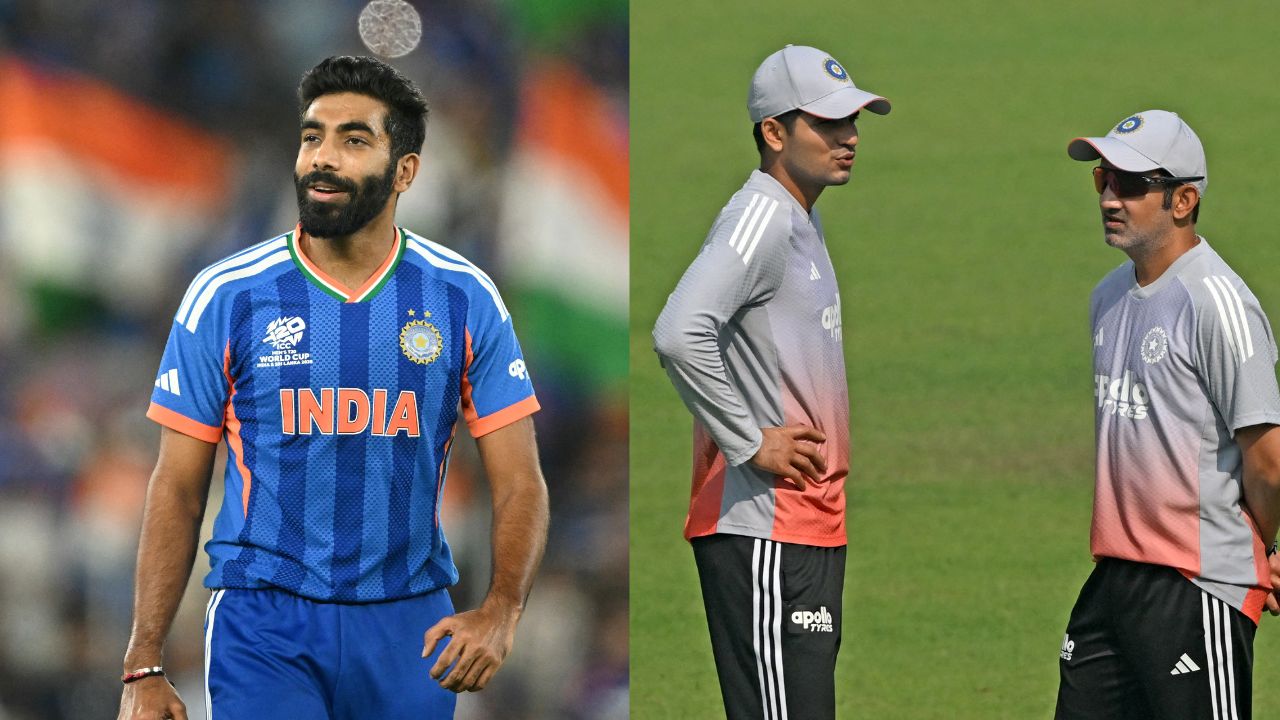
This comment arrives at a pivotal time for Indian cricket. With Shubman Gill currently at the helm of the ODI side following the conclusion of Rohit Sharma’s tenure, the hierarchy remains fluid. As the road to the 2027 World Cup begins to take shape, the debate over leadership—spanning Tests, ODIs, and the T20I scrutiny surrounding Suryakumar Yadav—continues to dominate the cricket discourse. While names like Hardik Pandya, Sanju Samson, Shreyas Iyer, and Ishan Kishan remain in the mix for T20 leadership, Bumrah’s calm demeanor and tactical maturity in his first outing as an IPL captain have certainly added his name to the long-term discussion.
As the international season approaches, the BCCI selectors will have a complex puzzle to solve. Whether Bumrah is ever handed the ODI reins remains to be seen, but his performance at Dharamsala serves as a reminder of his influence on the game, both with the ball and as a leader of men.