
IPL 2026 Under Fire: Political Demands for Suspension Amid Fuel Crisis
Contents
Rising Tensions and the IPL 2026 Landscape
As the 2026 Indian Premier League (IPL) season nears its thrilling conclusion, the tournament finds itself at the center of an unexpected political debate. While cricket fans have enjoyed two months of high-octane action, recent escalations in international conflict and domestic economic concerns have prompted calls for the government to halt the remaining matches.
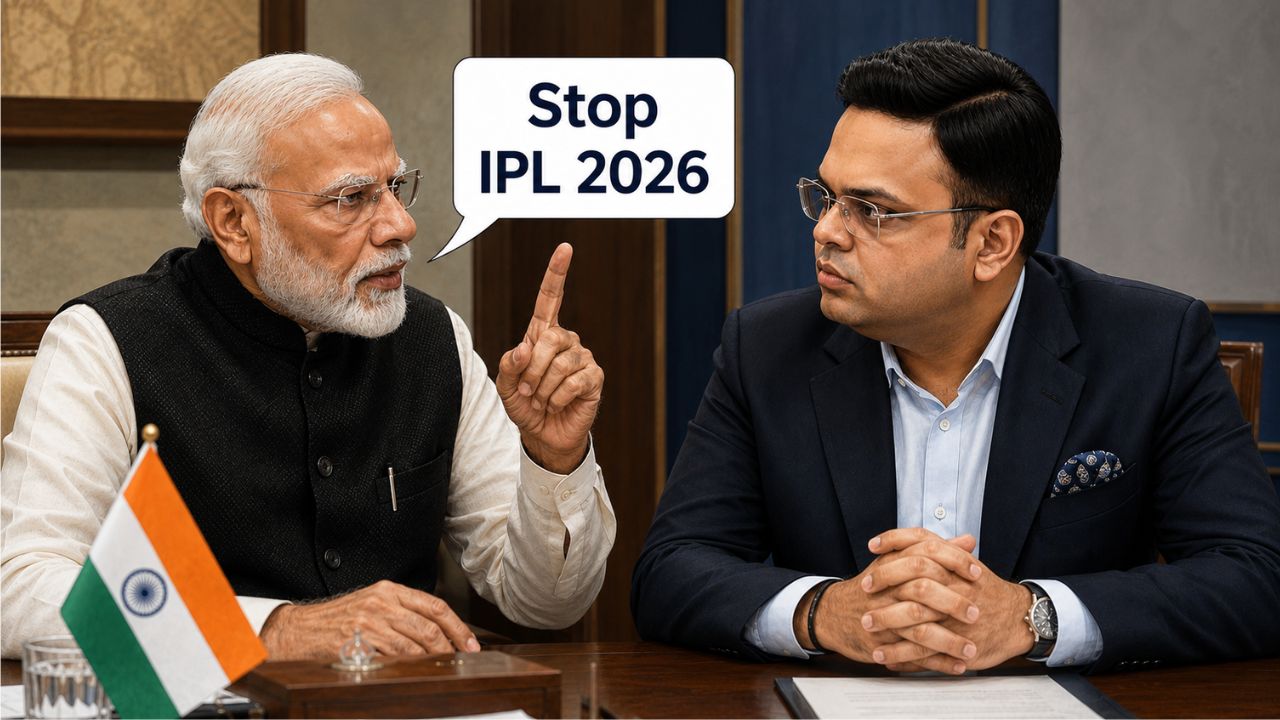
 Image Credits: ChatGPT
The IPL 2026 season, which commenced on March 28, has proceeded without significant disruption despite a backdrop of rising tensions between Iran and the United States. However, as the geopolitical situation in West Asia remains volatile, the spotlight has turned toward the logistics and sustainability of major sporting events in India.
The Call for Suspension: A Political Stance
Senior Congress leader and former Chief Minister Bhupesh Baghel has formally requested that Prime Minister Narendra Modi intervene to suspend the ongoing IPL season. The rationale behind this demand is rooted in the current economic climate, specifically regarding the potential for a domestic fuel crisis.
Baghel’s argument rests on several key pillars:
- Fuel Consumption: The logistical demands of moving ten teams, support staff, and equipment across various venues are significant. Reducing this activity could theoretically lower national fuel consumption.
- Economic Impact: There are concerns regarding foreign currency outflows related to payments for international cricketers.
- Social Factors: Baghel explicitly mentioned that suspending the league would act as a curb on betting activities associated with the tournament.
“Prime Minister, please stop the IPL immediately. Betting will also stop,” Baghel stated. At this stage, however, the request remains symbolic. Neither the Indian government nor the BCCI has provided any indication that a suspension is under consideration, and the BJP has not issued a formal rebuttal to these specific claims.
Fuel Conservation and Government Policy
The call for suspension arrives at a time when the Indian government is emphasizing the need for fiscal and resource prudence. Prime Minister Narendra Modi has recently urged citizens to utilize fuel with greater caution. In a personal demonstration of these policies, the Prime Minister has reportedly reduced the size of his own security convoy. Furthermore, recent adjustments in fuel pricing—an increase of 3 rupees—have heightened public awareness regarding energy costs.
While Baghel’s concerns highlight the massive logistical footprint of the IPL, industry experts note that the tournament is in its final stages. With only two weeks remaining, a mid-tournament cancellation would likely result in catastrophic financial losses for stakeholders, broadcasters, and the league itself, without providing a significant or immediate relief to the national fuel supply.
Road to the Final: Venue Changes and Logistics
Beyond the political discourse, the roadmap for the remainder of the season remains firm. The IPL 2026 final is scheduled to take place on May 31 at the Narendra Modi Stadium in Ahmedabad. This represents a significant change from original plans, which initially designated the M. Chinnaswamy Stadium in Bengaluru as the host city, given that the Royal Challengers Bengaluru (RCB) entered the season as defending champions.
The decision to move the final was a direct response to disciplinary issues. Reports indicate that the Karnataka State Cricket Association (KSCA) attempted to arrange a large volume of free tickets for state MLAs. This action was deemed a violation of BCCI and IPL regulations, as it bypassed standard procedures and disadvantaged common fans. Consequently, the hosting rights were revoked and reassigned to Ahmedabad.
Upcoming Knockout Schedule
The business end of the tournament continues to gain momentum with a series of high-stakes matches:
- Qualifier 1: Scheduled to take place in Dharamsala on May 26.
- Eliminator: To be hosted at Mullanpur, Chandigarh, on May 27.
- Qualifier 2: Also taking place in Mullanpur on May 29.
As the cricket world turns its attention to these final encounters, the tournament remains a testament to the immense popularity of the sport in India, even as it navigates the complex intersection of sports, politics, and global economics.