
Auqib Nabi’s Selection Dilemma: The Pace Factor in India vs Afghanistan Test Squad

Contents
The Selection Conundrum Facing Indian Cricket
As the Board of Control for Cricket in India (BCCI) prepares to announce the Test and ODI squads for the much-anticipated multi-format series against Afghanistan, the spotlight is firmly on the selection room. Following the conclusion of the 2026 Indian Premier League (IPL), the national team enters a critical transition phase. With Shubman Gill slated to lead a full-strength 15-member Test squad, the primary point of contention remains the composition of the fast-bowling department, specifically regarding the potential resting of lead pacer Jasprit Bumrah.
The Rise of Auqib Nabi
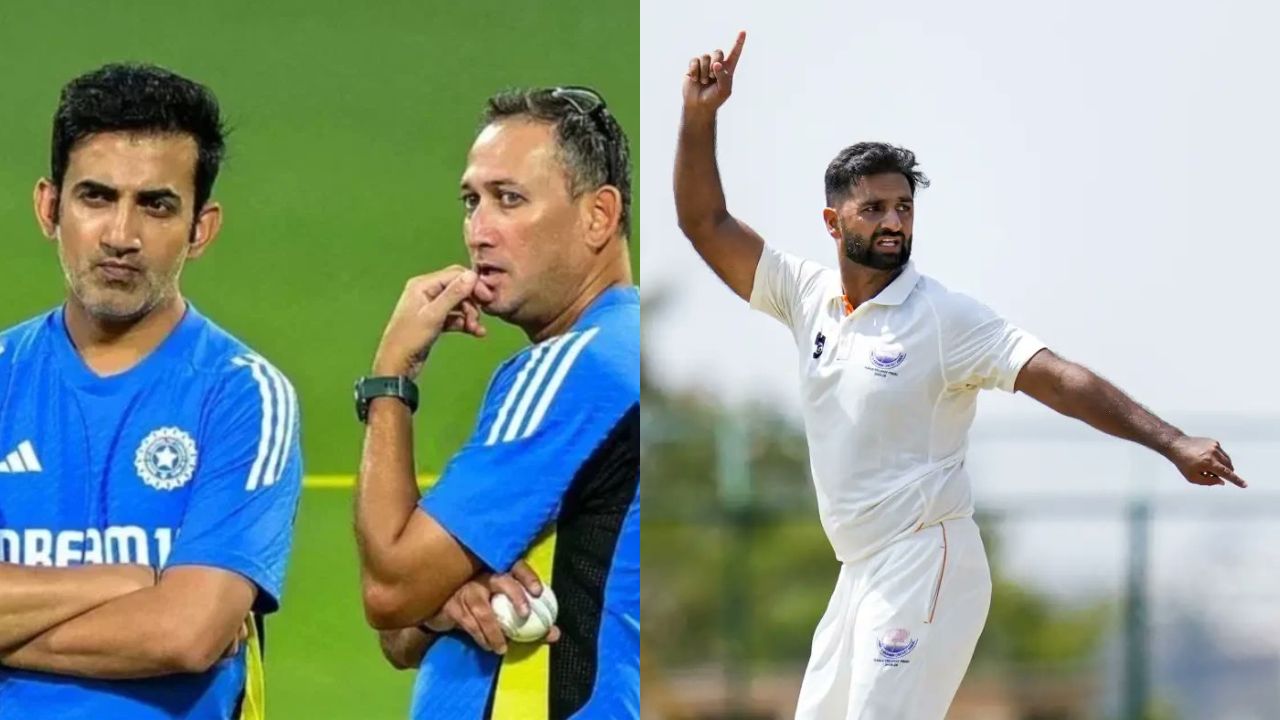
Among the names surfacing in domestic circles is Jammu and Kashmir’s Auqib Nabi. His performance in the 2025/26 Ranji Trophy season was nothing short of historic. As a pivotal figure in his team’s maiden championship victory, Nabi claimed a staggering 60 wickets in just 10 matches at an extraordinary average of 12.57. Such dominance at the domestic level would typically guarantee a call-up, but the path to international cricket is rarely that straightforward.
Nabi’s trajectory has been rapid, moving from domestic heroics to being signed by the Delhi Capitals for the 2026 IPL. However, his transition to the high-pressure T20 league has been sobering; he struggled to make an immediate impact, failing to secure a wicket in his four appearances. This contrast between his red-ball excellence and white-ball struggles has provided selectors with ample food for thought.
The Pace Factor and Selection Scrutiny
In modern international cricket, the demand for high-velocity bowling is paramount. While Nabi possesses the craft to dismantle domestic lineups, reports suggest that his pace is a subject of debate among decision-makers. According to insights from cricket journalist Kushan Sarkar, while Nabi’s statistical output is undeniable, there are lingering reservations about whether his current pace profile translates effectively to the requirements of Test cricket.
Even if Nabi is included in the 15-member squad, industry insiders suggest that a Test debut remains a distant prospect. The selectors appear to be weighing his proven wicket-taking ability against the tactical need for raw speed in the longest format. Along with Gurnoor Brar, who has been long identified as a prospect for the future, the BCCI is carefully managing its fast-bowling talent pool to ensure depth without compromising on intensity.
Broader Challenges in the ODI Setup
Beyond the Test squad, the ODI setup faces its own unique set of headaches. With the 2027 ODI World Cup looming on the horizon, the team management is forced to make difficult decisions regarding the long-term future of veterans like Virat Kohli and Rohit Sharma. Simultaneously, injury management continues to be a central theme, with Hardik Pandya’s ongoing back concerns limiting his availability and forcing the selectors to explore other options.
The white-ball squad also features competition from emerging stars. Names like Prince Yadav, who impressed with Lucknow Super Giants, and Kartik Tyagi of Kolkata Knight Riders are being discussed as potential assets for the ODI formats. Furthermore, the wicketkeeping role is undergoing a reshuffle, with reports indicating that Ishan Kishan may be favored as the backup option over Rishabh Pant as India looks to refresh its squad dynamics.
Conclusion
The situation surrounding Auqib Nabi serves as a microcosm of the challenges faced by the Indian selection committee. Balancing the rewards for domestic consistency against the specialized physical requirements of international cricket is a delicate task. As the team prepares for the Afghanistan series, the final squad announcement will reflect the BCCI’s vision for the next generation of Indian cricketers and how they plan to sustain the team’s global dominance in the coming years.