BCCI Declines Intervention in IPL Player Workload Management
Contents
The Delicate Balance of Player Fitness in the IPL
The intersection of franchise cricket and national team requirements has once again become a point of contention in Indian cricket. As the Indian Premier League (IPL) progresses, questions regarding the physical condition of high-profile players have surfaced, sparking a debate on whether the Board of Control for Cricket in India (BCCI) should step in to enforce stricter workload management protocols.
The Stance of the BCCI
BCCI Secretary Devajit Saikia has provided a clear, albeit controversial, response to these concerns. In a recent interaction, Saikia emphasized that while the Board monitors centrally contracted players through the Centre of Excellence (CoE), it cannot dictate the day-to-day operations of IPL franchises. According to Saikia, the franchises retain autonomy over their players during the tournament duration, and the BCCI avoids overstepping its boundaries into the internal functioning of these professional clubs.
“We can’t interfere in the functioning of the franchises by trying to control player workload and fitness in the IPL,” Saikia stated. He clarified that while there is an ongoing monitoring process, the board chooses to provide franchises with the freedom to manage their squads according to their immediate tactical needs.
The Case of Varun Chakravarthy
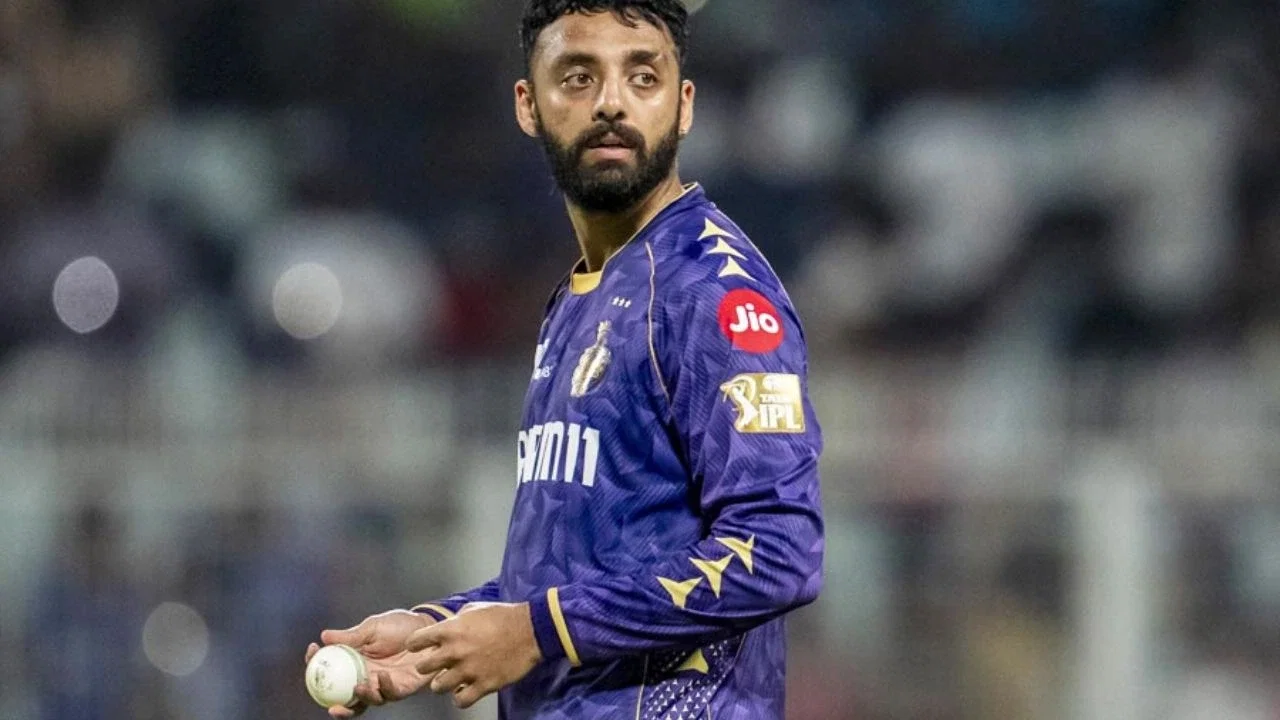
The discussion regarding workload intensity was ignited by the situation surrounding Kolkata Knight Riders spinner Varun Chakravarthy. Reports have indicated that Chakravarthy has been managing a hairline fracture on his left toe, an injury sustained during a match against Sunrisers Hyderabad on May 3. Despite this, he continued to participate in the tournament, occasionally being seen limping, which raised alarms among fans and experts alike about the long-term impact on his career.
Broader Concerns Across the League
Chakravarthy is not an isolated case. Several other high-profile cricketers have faced similar scrutiny regarding their fitness levels throughout the current season:
- Arshdeep Singh: Punjab Kings’ Head of Sports Science, Andrew Leipus, recently highlighted physical restrictions affecting the pacer’s consistency.
- Jasprit Bumrah: Mumbai Indians Head Coach Mahela Jayawardene previously disclosed that the premier fast bowler was battling a niggle stemming from the T20 World Cup, which hindered his performance early in the season.
National Selection and Fitness Standards
Despite the hands-off approach during the IPL, the BCCI maintains that fitness is the ultimate filter for national selection. Saikia reassured the cricketing community that the board holds full authority when it comes to international commitments. When the time comes to select squads for national duty, the physical integrity of a player is the primary factor.
This is evident in recent team selections. The squad announcements for the one-off Test and the ODI series against Afghanistan underscore the board’s strict criteria:
- Ravindra Jadeja: After missing matches for his IPL franchise due to fitness concerns, he was subsequently rested from the national squad to focus on recovery.
- Mohammed Shami: The fast bowler was excluded from the upcoming series as selectors were not convinced of his capacity to maintain the physical demands of bowling extended spells.
- Rohit Sharma and Hardik Pandya: Both players, having dealt with injury setbacks during the IPL, were included in the ODI squad strictly subject to passing mandatory fitness evaluations.
Conclusion
The challenge of balancing the relentless schedule of the IPL with the physiological health of India’s elite cricketers remains an ongoing struggle. While the BCCI’s refusal to intervene in franchise-level decisions may frustrate those concerned about player longevity, it highlights a definitive separation of powers. As the sport continues to grow, the dialogue between the Board, the franchises, and the athletes regarding workload management will likely become even more critical to sustaining the future of Indian cricket.