
Faheem Ashraf Names Suresh Raina Idol Amidst Controversy Over Anti-India Posts
Contents
A Complex Narrative: Faheem Ashraf and the Idol Debate
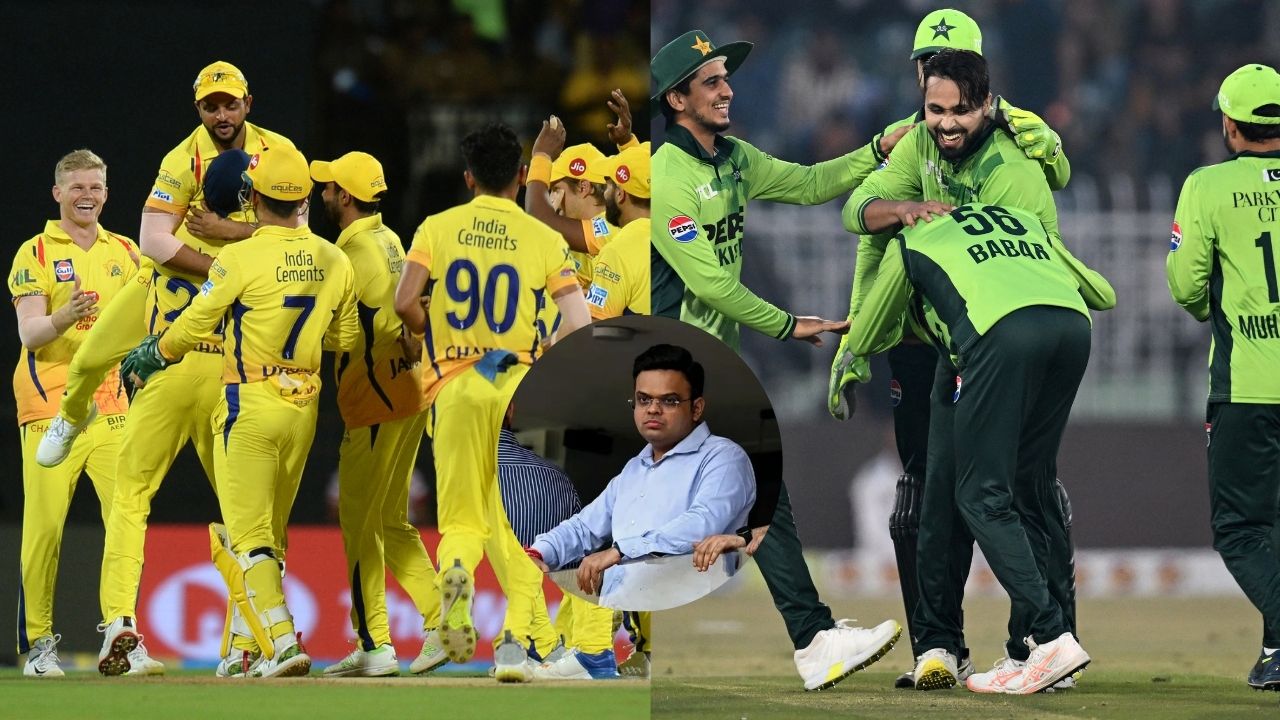
In the world of international cricket, where professional admiration often transcends borders, a recent statement by Pakistani all-rounder Faheem Ashraf has ignited a firestorm of debate. Ashraf, who has previously been in the headlines for provocative social media posts regarding India, recently identified former Indian batter and Chennai Super Kings (CSK) icon Suresh Raina as one of his primary batting idols.
This revelation comes at a time when diplomatic and cricketing ties between India and Pakistan remain frozen. Since 2012, the two nations have not engaged in bilateral series, with tensions escalating further following the tragic events in Pahalgam. The subsequent response from the BCCI—severing cricketing engagement—remains a firm stance that the Indian board maintains is necessary in the face of cross-border security concerns.
The Contradiction of Social Media
While Ashraf speaks highly of Indian cricketing legends, his digital footprint tells a different story. Earlier this month, the all-rounder faced severe backlash for sharing content that appeared to mock Indian military operations. Specifically, he drew criticism for an Instagram story that featured controversial artwork depicting missile launches directed toward India, an act that many fans and observers viewed as a direct attack on Indian national sentiment.
These actions have fueled accusations of double standards from the cricketing community. On social media platform X (formerly Twitter), users have been quick to highlight the contradiction: how a player can publicly disparage a nation’s sentiments while simultaneously claiming to admire its sporting icons. One user noted, “The same guy used AI-edited images to disrespect the country of India and its sentiments following Operation Sindoor.”
The Interview that Sparked the Backlash
Speaking on Hassan Azam’s YouTube Channel, Ashraf reflected on his formative years as a cricketer. He stated, “Chris Gayle, Saeed Anwar, Suresh Raina—all were my batting idols growing up. Those people (Indians) can’t take our names, but we don’t have any problem in praising them. They will get in trouble for complimenting us, but we won’t.”
He expanded on his influences, mentioning legendary figures such as Kumar Sangakkara, Mohammad Asif, Umar Gul, and Mohammad Amir. However, the attempt to bridge the gap through sportsmanship was largely overshadowed by his commentary on the political climate surrounding cricket, leading many to view his remarks as performative rather than sincere.
Professional Struggles and Future Uncertainty
Beyond the off-field controversy, Ashraf faces significant hurdles in his professional career. His recent form has been a subject of concern, with a lackluster campaign in the Pakistan Super League (PSL) 2026 followed by an underwhelming performance in the 2026 T20 World Cup, where Pakistan saw an early exit in the Super 8s.
Reports suggest that the Pakistan Cricket Board (PCB) is currently reassessing its central contracts, with Ashraf at risk of being dropped. The board appears to be shifting its focus toward younger talent, with prospects like Azan Awais and Abdullah Fazal expected to receive central contracts following their impressive performances in the recent Test matches against Bangladesh.
In a bid to revive his career and regain his place in the Test squad, Ashraf has signed a deal to play for Yorkshire in the County Championship. Whether this move to English domestic cricket will serve as a redemption arc for the all-rounder remains to be seen. For now, the cricketing world remains divided, as his controversial history continues to loom larger than his aspirations on the pitch.
The incident serves as a stark reminder of the delicate intersection between sports, national identity, and the digital age, where past actions often overshadow present professions of admiration.