Pat Cummins and Australia Stars Eyeing SA20 Over Big Bash League
Contents
The Growing Divide: Australian Cricket Faces a New Reality
The landscape of professional cricket is undergoing a transformation that few could have predicted a decade ago. As global franchise leagues continue to expand their financial footprints, the traditional domestic structures of established cricket nations are being put to the test. Recently, reports have surfaced indicating that senior Australian cricketers, led by none other than Test and ODI captain Pat Cummins, are contemplating a significant shift in their career focus ahead of the 2028 season.
The Motivation Behind the Potential Exodus
At the heart of this unrest is the disparity between the current Big Bash League (BBL) salary structure and the lucrative opportunities available in international franchise circuits, most notably South Africa’s SA20 league. For the modern Australian cricketer, the pressure to balance international duties with club commitments has reached a boiling point. Many players are reportedly ready to seek no-objection certificates to play abroad if Cricket Australia (CA) cannot align BBL compensation with the global market.
Reports suggest that top-tier Australian players are looking for contracts in the vicinity of $1 million to prioritize their home tournament. This request highlights a fundamental shift in how players view their professional value in an era where the franchise model offers both financial security and high-level competition.
Structural Hurdles and Internal Resistance
While the need for change is acknowledged, the path forward is far from smooth. Cricket Australia has flirted with the idea of introducing private investment into the Big Bash League to boost revenue and player salaries. However, these initiatives have faced significant roadblocks, with internal resistance from organizations such as Cricket NSW and Queensland Cricket complicating the proposed evolution of the domestic game.
Furthermore, Cricket Australia is currently re-evaluating its domestic framework. One of the more controversial topics on the table is the potential removal of the overseas player draft. Since its inception in 2022, the draft has successfully funneled over $20 million to international talent, but it has also become a point of contention among local players who feel the current system favors visitors over domestic staples.
The View from the Top: Balancing Act
James Allsopp, the head of cricket at Cricket Australia, has spoken candidly about the challenges the organization faces. He emphasizes the importance of retaining multi-format stars who provide both commercial and performance value to the team. Allsopp admits that the current market forces are undeniable. “There’s a world now, where they can jump on the franchise circuit and make a really good living away from Australian cricket, or even away from our BBL, and that’s not going to be in the best interests of Australian cricket,” Allsopp noted during a recent discussion.
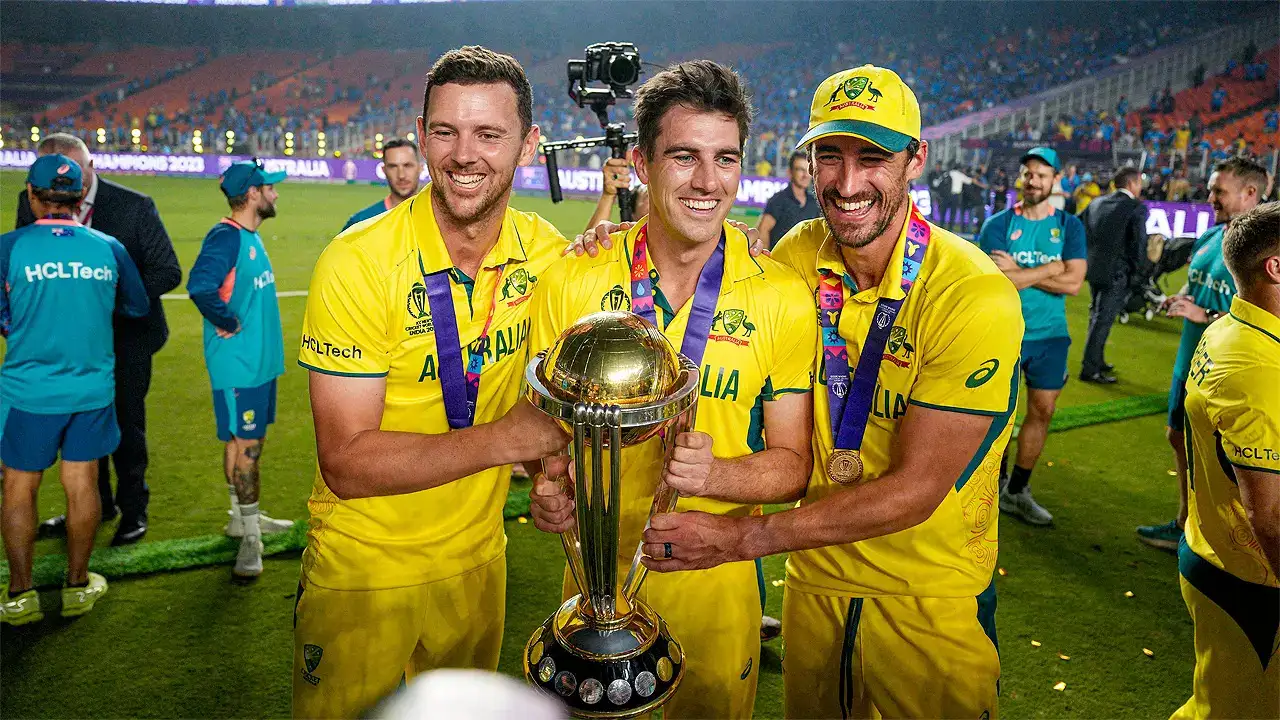
The threat is not just theoretical. Stars like Pat Cummins, Mitchell Starc, and Josh Hazlewood have already been presented with massive overseas deals in the past—such as the $800,000 offers for The Hundred—which they ultimately declined to maintain their international commitments. However, as the gap between domestic and international franchise pay widens, the temptation to prioritize these lucrative contracts becomes harder to ignore.
Voices of Dissent and Future Scheduling
Former Cricket Australia CEO Malcolm Speed has added his voice to the growing chorus of concern. Speed has been vocal about the inequity in the BBL payment structure, specifically pointing out that international recruits have historically earned significantly more than their Australian counterparts. “There’s a premium for international players in the BBL – they get about $100,000 more than the top Australian players. Get rid of that. The Australians deserve to be paid as much as everyone else,” Speed stated in a recent radio interview.
Adding to the pressure is the sheer density of the international calendar. The 2026/27 season presents a daunting schedule, with the Australian team wrapping up a four-match Test series against New Zealand in January, only to immediately depart for a demanding five-match series in India. This packed itinerary makes it increasingly difficult for players to justify participating in a domestic league that does not offer competitive financial incentives.
What Lies Ahead?
The future of the Big Bash League rests on the ability of stakeholders to find a middle ground that respects the financial realities of the players while preserving the integrity of the domestic system. Whether this involves a complete overhaul of the salary cap, new investment models, or a fundamental rethinking of the player draft, the message from the stars is clear: the status quo is no longer sustainable. As the 2028 season approaches, all eyes will be on Cricket Australia to see if they can pivot quickly enough to keep their best talent at home.