When Sanjiv Goenka Said Rishabh Pant Will Win 5 IPL Trophies In Next 15 Years – Sanjiv Goenka’s Rishabh Pant Vision: From 5-Trophy Dream to Leadership Exit
Contents
The Ambition Behind the Record-Breaking Deal
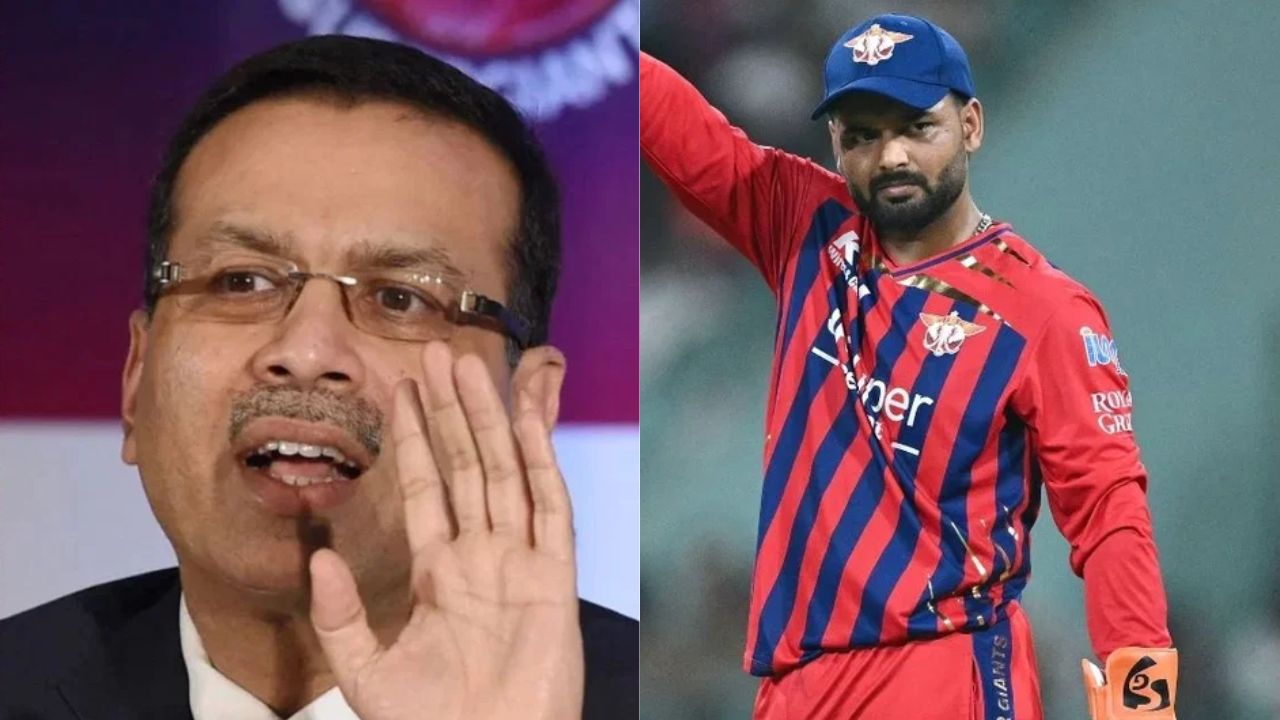
When the Lucknow Super Giants (LSG) made history at the IPL 2025 mega auction by securing Rishabh Pant for a staggering INR 27 crore, the atmosphere surrounding the franchise was one of unmatched optimism. Owner Sanjiv Goenka did not simply view this as a signing of a talented wicketkeeper-batter; he viewed it as a foundational move that would define the next decade of the franchise’s identity. The investment was the largest in the history of the IPL, and with it came the weight of massive expectations.
Goenka’s vision for Pant was grand, extending far beyond the immediate season. He publicly heralded the arrival of a new era, drawing comparisons to the most successful leaders in the history of the tournament. In his own words, Goenka believed that Pant’s tenure at LSG would yield multiple championships, effectively placing him in the elite trinity alongside MS Dhoni and Rohit Sharma.
A Vision of Dynasty
Following the auction, Sanjiv Goenka was vocal about his long-term plan. He famously predicted, “He will play 10-15 years. During that time, he can win at least 5-6 IPL titles. People will say, ‘Mahi, Rohit, Rishabh’.” This statement encapsulated the owner’s belief that he had acquired not just a player, but a generational leader capable of building a winning culture from the ground up.
Goenka’s praise for Pant was holistic. He emphasized that he saw more than just technical batting prowess; he saw a leader in the making. He envisioned a platform built on mutual trust, suggesting that Pant possessed the raw materials to become arguably the greatest captain the IPL had ever witnessed. It was an ambitious blueprint, rooted in the idea that with the right support, Pant could overcome the inevitable ups and downs of a league as competitive as the IPL.
The Swift Collapse of a Dream
However, the reality of competitive sports often deviates from the most carefully constructed plans. Despite the massive financial outlay, the partnership between Rishabh Pant and LSG proved to be unexpectedly fleeting. Following a difficult couple of years, which saw the team finish at the bottom of the table and fail to secure a playoff spot in 2025, the trajectory of the team took a downward turn. By 2026, the situation had reached a low point.
The announcement that Rishabh Pant was stepping down as captain, effective for the 2027 season, brought a definitive end to this short-lived chapter. While the franchise stated the decision was made at the request of the player, the abruptness of the move underscored a failure to achieve the stability Goenka had initially promised. For a team that had invested so heavily in a specific vision, the loss of that vision in less than twenty-four months is a stark reality check on the unpredictable nature of professional cricket management.
A Pattern of Managerial Instability
The departure of Rishabh Pant from the leadership role has sparked broader discussions regarding the management style of the Lucknow Super Giants ownership. Critics point out that this is not an isolated incident. Sanjiv Goenka’s history of handling captains has long been a subject of intense scrutiny in the cricket community.
Looking back at the RPSG days between 2016 and 2017, the controversial removal of MS Dhoni as captain serves as a historical parallel to the current situation. Many observers at the time felt that blaming a legend like Dhoni for a poorly balanced roster was an unfair assessment. Replacing him with Steve Smith did not immediately translate to the long-term success that a team requires. Furthermore, the exit of KL Rahul before the mega auction, following public tension, established a precedent of instability within the LSG hierarchy.
The recurring theme of leadership changes suggests that the challenge at Lucknow may extend beyond the players themselves. For a franchise to succeed, it requires a consistent, supportive environment that can weather the storm of a poor season. As the team looks toward the IPL 2027 season, the primary concern for supporters will be whether the management can finally provide the continuity necessary to turn their lofty ambitions into reality, rather than continuing a cycle of high-profile signings followed by abrupt exits.