List of All Players Retired Hurt in IPL History (Till April 15, 2026)
Players Who Retired Hurt in IPL History (Up to April 15, 2026)
In the high-speed, high-stakes world of the Indian Premier League, injuries are an inevitable part of the game. Despite the glamour and explosive performances, players often push through pain barriers — sometimes crossing the line where continuing becomes impossible. One such scenario is when a batter is forced to retire hurt.
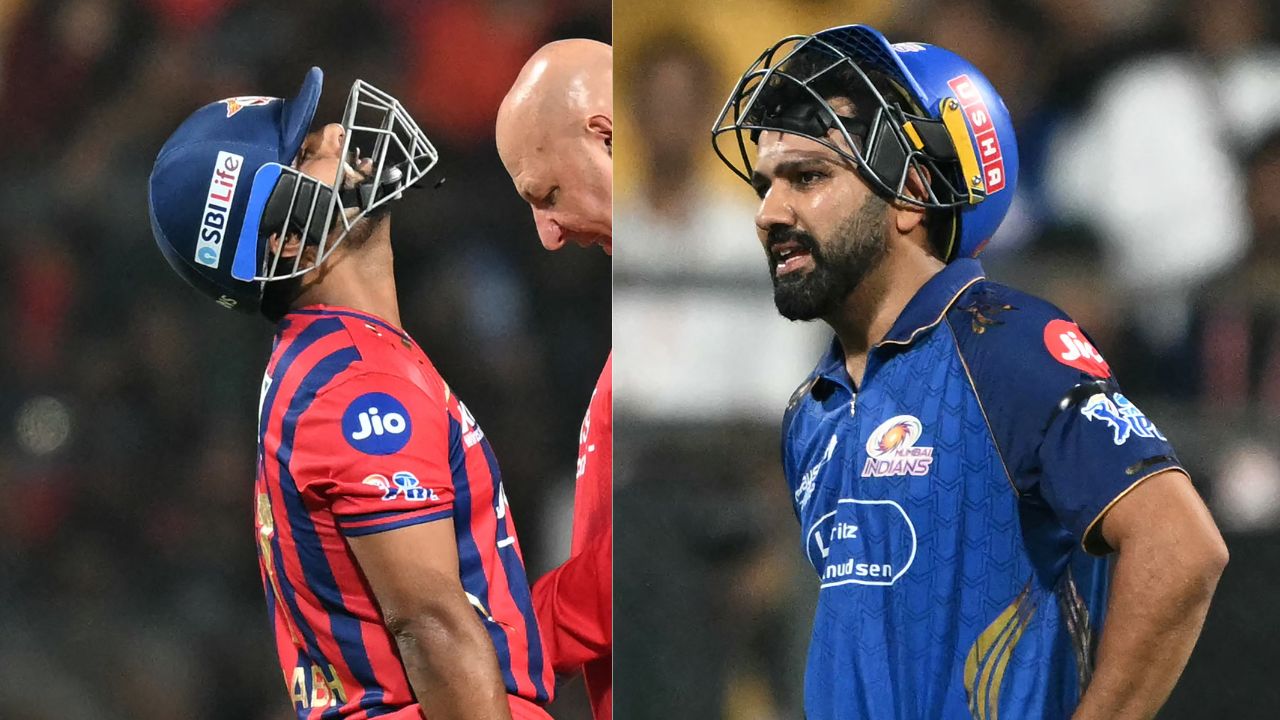
Recently, two big names — Rishabh Pant and Rohit Sharma — became the latest additions to this list during IPL 2026, reigniting conversations about player fitness and the fine line between grit and risk.
Rishabh Pant Leaves Field After Painful Blow
During Lucknow Super Giants’ clash against Royal Challengers Bangalore on April 15, 2026, Rishabh Pant was struck hard on his left elbow by a sharp short-pitched delivery from Josh Hazlewood. The ball hit an unprotected part of his arm as he attempted a pull shot early in the innings.
Pant immediately showed signs of discomfort, receiving on-field treatment from the team physio. Despite a brief attempt to continue, the pain proved too severe. He was officially retired hurt in the fifth over, halting LSG’s momentum at a crucial juncture.
Rohit Sharma’s Hamstring Takes Center Stage
Just days earlier, Mumbai Indians captain Rohit Sharma suffered a similar fate. Facing RCB at Wankhede Stadium, the 39-year-old opener looked in good touch, scoring 19 runs off 13 balls. However, he pulled up sharply while running between the wickets, indicating a hamstring issue.
After receiving on-field medical attention and having his thigh strapped, Rohit tried to continue. But on the very next delivery, he realized he couldn’t proceed and chose to retire hurt. MI’s chase of 241 ultimately fell short at 222/5, with his early exit seen as a pivotal moment.
What Does ‘Retired Hurt’ Mean in Cricket?
Under MCC Law 25.4, a player who leaves the field due to injury, illness, or an unavoidable circumstance is recorded as ‘Retired – Not Out’. This means they are eligible to return to bat later in the innings, provided their team still has wickets in hand and they inform the umpires of their intent.
For example, if a batter retires hurt at 30*, they can resume their innings after another batter gets out, assuming they are medically fit.
Retired Hurt vs. Retired Out: Key Differences
It’s important to distinguish between two often-confused terms:
- Retired Hurt (or Retired Not Out): Injury or illness forces the player off. They may return later if fit and wickets remain.
- Retired Out: A deliberate, non-medical decision by the player or team. The batter walks off for tactical reasons and cannot return unless the opposing captain grants permission.
As per MCC Law 25.4.3, any retirement not due to injury, illness, or unavoidable cause is deemed ‘Retired – Out’. This rule prevents teams from exploiting retirements as strategic dismissals without consequence.
A Growing List in IPL History
While official records of every retired hurt instance aren’t centrally published, several prominent cases have emerged since the league’s inception in 2008. The incidents involving Pant and Sharma in 2026 highlight how even the fittest athletes remain vulnerable to sudden setbacks.
Other notable historical cases (based on match reports and reliable sources) include:
- Manpreet Singh – Retired hurt during a 2010 match due to a back spasm.
- Dwayne Bravo – Left the field in 2013 after being hit on the hand by a yorker.
- Suresh Raina – Withdrew mid-innings in 2015 due to cramps.
- Shikhar Dhawan – Retired hurt in 2021 after a finger injury from a bouncer.
- Andre Russell – Took a blow to the ribs in 2023 and did not return.
These moments serve as reminders of the physical demands of T20 cricket, especially in a tournament as grueling as the IPL.
Conclusion: Resilience and Risk
The retirements of Rishabh Pant and Rohit Sharma in IPL 2026 underscore the fine balance between player commitment and safety. While fans appreciate the warrior spirit, the long-term health of athletes must remain a priority.
As the league evolves, so must player management strategies — ensuring that retired hurt remains a rare exception, not a recurring theme.