
Mohsin Naqvi Confirms Virtual Attendance for ICC Meeting in India
Contents
The Stalemate Continues: PCB’s Stance on India Engagement
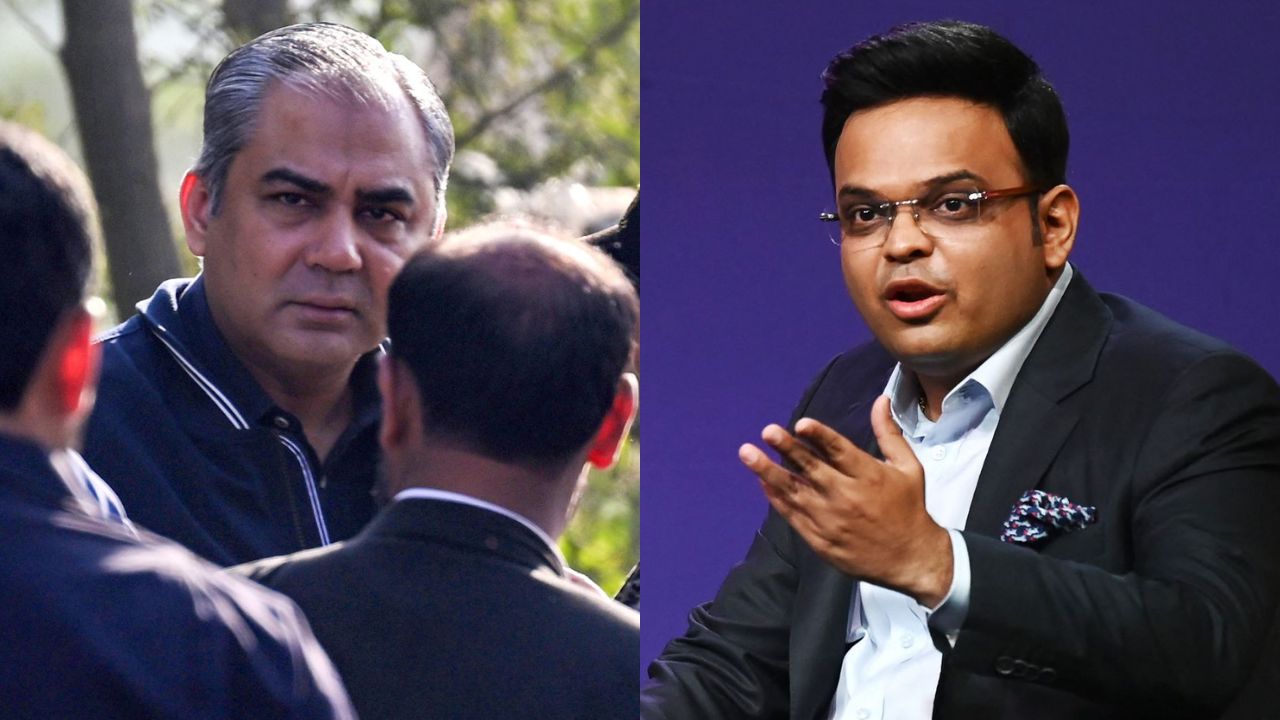
The intricate and often volatile landscape of India-Pakistan cricketing relations has reached another complex juncture. Following years of fractured bilateral ties, the Pakistan Cricket Board (PCB) has maintained a uncompromising position regarding travel commitments to India. This firm stance has come into sharper focus following the International Cricket Council’s (ICC) recent invitation for a high-level directors’ meeting, scheduled to take place in Ahmedabad on May 30 and May 31.
With the ICC requiring the presence of board heads to discuss critical governance and structural issues, the spotlight has turned toward PCB Chairman Mohsin Naqvi. While the invitation marks a standard administrative procedure for an ICC directors’ meeting, the backdrop of recent geopolitical and sporting tensions has made this a matter of intense public and media scrutiny.
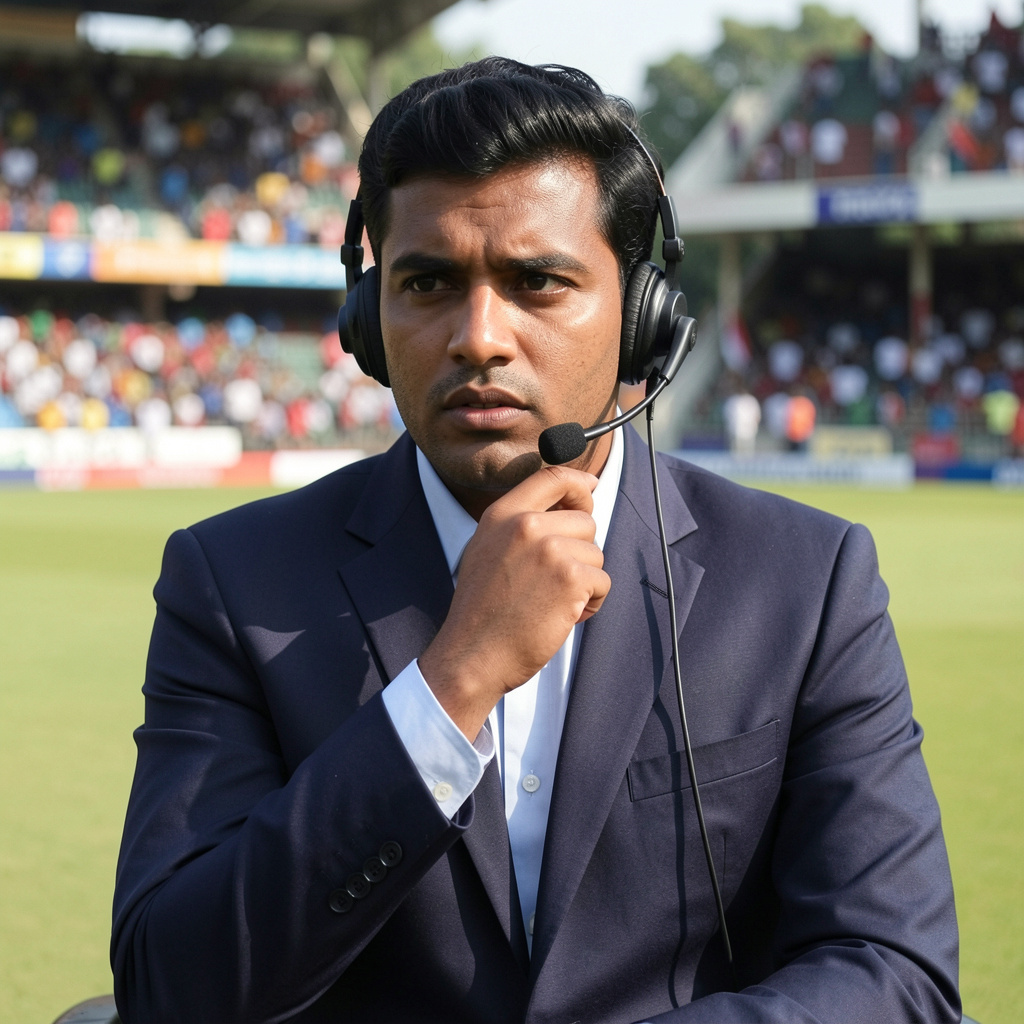
Mohsin Naqvi to Attend via Video Conference
Reports have confirmed that the PCB has officially responded to the ICC’s summons. While the necessity of the chairman’s input is acknowledged, the PCB has opted to prioritize its current policy regarding travel to India. Consequently, Mohsin Naqvi will not be present in person in Ahmedabad. Instead, he is expected to join the proceedings through a virtual medium, conducting his participation via video conference. This decision highlights the board’s commitment to maintaining its current diplomatic posture, even while ensuring that the PCB remains a functional participant in the ICC’s administrative processes.
In contrast, representatives from other international cricket boards are expected to attend the meeting in person, underscoring the unique nature of the current Pakistan-India sporting deadlock.
A History of Sporting Friction
The relationship between the two boards has been under significant strain, particularly after the developments surrounding the ICC Champions Trophy 2025. The decision by India not to travel to Pakistan for the tournament forced a significant logistical shift, with matches being relocated to Dubai. This friction has been further exacerbated by broader regional tensions, leading to a series of high-profile controversies, including the cancellation of the Women’s Emerging Asia Cup 2025 and various diplomatic incidents during the Men’s Asia Cup.
The current climate is a far cry from the team’s visit to Ahmedabad in October 2023, where Pakistan faced India in a match that saw the hosts chase down a target of 192 in just 30.3 overs. Since that encounter, the boards have navigated a series of public disputes, ranging from tournament hosting rights to administrative grievances, leaving little room for a thaw in relations.
The ICC Agenda: Shaping the Future of Cricket
Despite the bilateral tensions, the upcoming meeting in Ahmedabad—originally slated to be held in Doha, Qatar, but moved due to the unstable situation in West Asia—carries significant weight for the future of global cricket. The ICC has a packed agenda, with a primary focus on the future of Test cricket.
Key discussion points include:
- World Test Championship (WTC) Restructuring: There is active deliberation on how the WTC can be evolved to ensure better competitiveness. One of the prevailing ideas includes the potential division of the championship into two tiers of six teams each, aimed at mitigating lopsided results and enhancing the spectacle of the longer format.
- Expanding the Field: The board is exploring the inclusion of Zimbabwe, Ireland, and Afghanistan into the expanded framework of the World Test Championship in the coming years.
- Governance and Planning: Beyond the Ahmedabad sessions, the ICC is preparing for its Annual General Meeting, which is expected to take place in Edinburgh later this year, following the conclusion of the Women’s T20 World Cup in England.
As the cricket world watches, the PCB’s decision to engage virtually reflects the complex reality of modern sports administration, where geopolitical considerations remain inextricably linked to the boardroom. Whether this virtual attendance will pave the way for future dialogue remains to be seen, but for now, the status quo remains firmly in place.