South African Fans Squeezed Out of Newlands New Year’s Test
Contents
The Battle for Newlands: Local Fans Squeezed Out of New Year’s Test
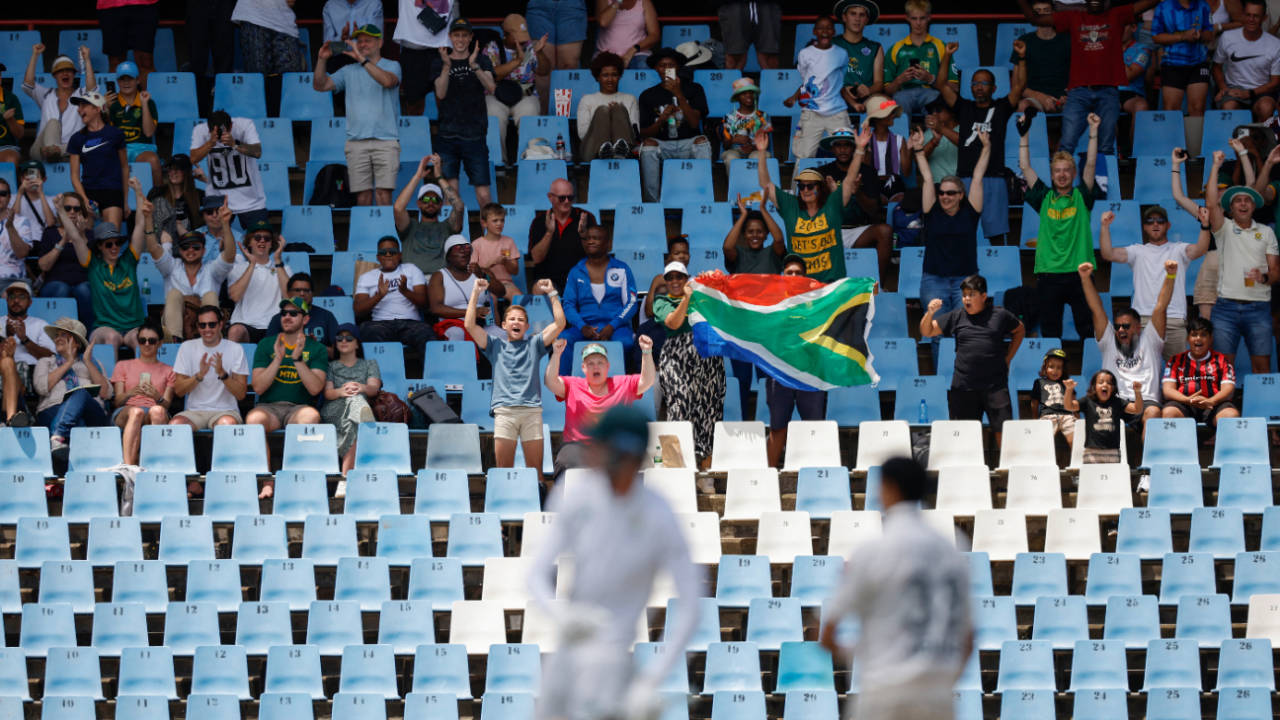
For South African cricket enthusiasts, the New Year’s Test at Newlands in Cape Town is the absolute crown jewel of the sporting calendar. Set against the majestic backdrop of Table Mountain, the fixture is a global spectacle that attracts passionate cricket fans from all over the world. However, local fans hoping to secure their seats for the early 2027 clash against England were met with swift disappointment. Tickets made available to the general public sold out in a mere ten minutes on Monday morning. The reason? Cricket South Africa (CSA) released less than 1,600 tickets per day to the public, opting instead to heavily prioritize high-yield travel packages and corporate hospitality.
This drastic reduction has sparked widespread frustration across the country. South Africans were starved of home red-ball cricket last summer, with no home fixtures scheduled during that period. The upcoming 2026-27 series was highly anticipated as a chance to watch their World Test Championship contenders live on home soil. Instead, domestic fans are highly likely to find themselves in the absolute minority at their own home ground, as CSA moves to aggressively monetize its most sought-after fixture.
Understanding the Newlands Ticket Allocation
To understand how domestic supporters were sidelined, one must look at the strict allocation breakdown implemented by Cricket South Africa. The overall capacity of Newlands has already been reduced from over 20,000 to just 17,544 due to ongoing building developments on the stadium site. From this limited pool, the ticket distribution was divided as follows:
- 39% – Allocated to international and domestic travel packages
- 19% – Complimentary tickets distributed to CSA and member sponsors, stakeholders, match officials, visiting and home teams, media, marketing, and service allocations
- 21% – General hospitality and member complimentary tickets
- 13% – Released to the public and unreserved seating (with only 9% made available in the initial Monday sale)
- 2% – Held for season ticket holders
- 3% – Restricted areas
- 1% – Reserved for wheelchair users and their assistants
- 1% – Sight screen restricted seating
- 1% – Reserved backup allocations
By dedicating 39% of the stadium’s capacity to travel packages and another 41% to hospitality, complimentary, stakeholder, and service allocations, CSA left only a tiny sliver of hope for ordinary cricket lovers.
The Commercial Strategy Behind the Decision
While local fans are understandably upset, the commercial logic behind CSA’s strategy is clear. Historically, test cricket attendance in South Africa remains middling, with the notable exceptions of the festive matches at SuperSport Park in Centurion and Newlands in Cape Town. These venues traditionally draw massive crowds, particularly when the visiting team brings a large contingent of traveling supporters. England, boasting the famous and ever-present ‘Barmy Army’, fits this bill perfectly.
The December-January holiday season is an incredibly popular window for English tourists visiting South Africa, particularly Cape Town. With the exchange rate sitting heavily in favor of foreign visitors—at approximately 22 South African Rand to the British Pound—CSA sought to maximize the earning potential of this lucrative tour. To capitalize on this, CSA partnered with TourVest to create a new joint venture called SA Cricket Travel, which handled the domestic travel packages (accounting for 27% of the total allocation, while 12% went to international travel packages).
However, this strategy has not been without its critics abroad. A report in England’s Daily Mail highlighted that touring British fans were also highly dissatisfied. Many expressed anger over the steep prices they were forced to pay, as match tickets were strictly bundled with expensive hotel stays and transfers, totaling several hundred pounds.
Outrage on the Ground: Domestic Supporters Locked Out
Back home, the reaction has been one of deep disappointment and frustration. General access tickets for South African Test matches are typically set by individual venues and signed off by CSA, ranging from affordable rates of R250 to R400 (approximately US$15 to US$25). While these prices make the sport accessible to ordinary South Africans, the actual availability of these tickets was practically non-existent. On Monday morning, local buyers watched in real-time as the public ticket portal emptied out within ten minutes.
The issue quickly became a major talking point in local media. Cape Town radio station CapeTalk dedicated segments to discussing the ticket crisis. During an on-air broadcast, sports business researcher Nqobile Ndlovu weighed in on the controversy. Ndlovu noted that by devoting such an overwhelming majority of the stadium capacity to high-priced travel packages, CSA has ‘essentially locked out your domestic fans.’ However, Ndlovu also acknowledged the business realities facing the national body, stating, ‘from a commercial point of view, I can see why they did it.’
CSA is currently in a stable financial position, having reported a profit of R238 million (around US$13.7 million) in the previous financial year. However, a projected drop is anticipated for the current year’s statements because South Africa hosted only one incoming series during the 2025-26 summer—a brief three-match T20I series against the West Indies. The upcoming 2026-27 season, featuring highly profitable home tours against both Australia and England, represents a vital opportunity for CSA to rebuild its financial reserves. The England tour, in particular, is the organization’s primary cash cow.
Is There Any Hope Left for Cape Town Spectators?
While tickets remain readily available for the first and second Tests in Johannesburg and Centurion, the Newlands Test has been declared a sell-out for the first four days. However, there may still be a glimmer of hope for desperate local fans. Strictly speaking, the stadium is not yet completely full.
Of the 13% of tickets reserved for the public, only 9% were actually released during the chaotic Monday morning sale. The remaining 4%, along with any unused or returned tickets from the travel, corporate, hospitality, and stakeholder pools, will be placed back on general sale at a later stage. Additionally, the final layout of the sight-screen restricted seating (currently holding 1% of the allocation) will only be finalized once the pitch selection is confirmed and match officials sign off on the requirements just days before the match. Local fans will have to keep a watchful eye on the ticket portals as the historic New Year’s Test approaches, hoping to grab the final remaining crumbs of a highly commercialized cake.