
Delhi Capitals’ Home Ground Woes: The Arun Jaitley Stadium Struggle

Contents
The Home Disadvantage: Why Delhi Capitals Struggle at Home
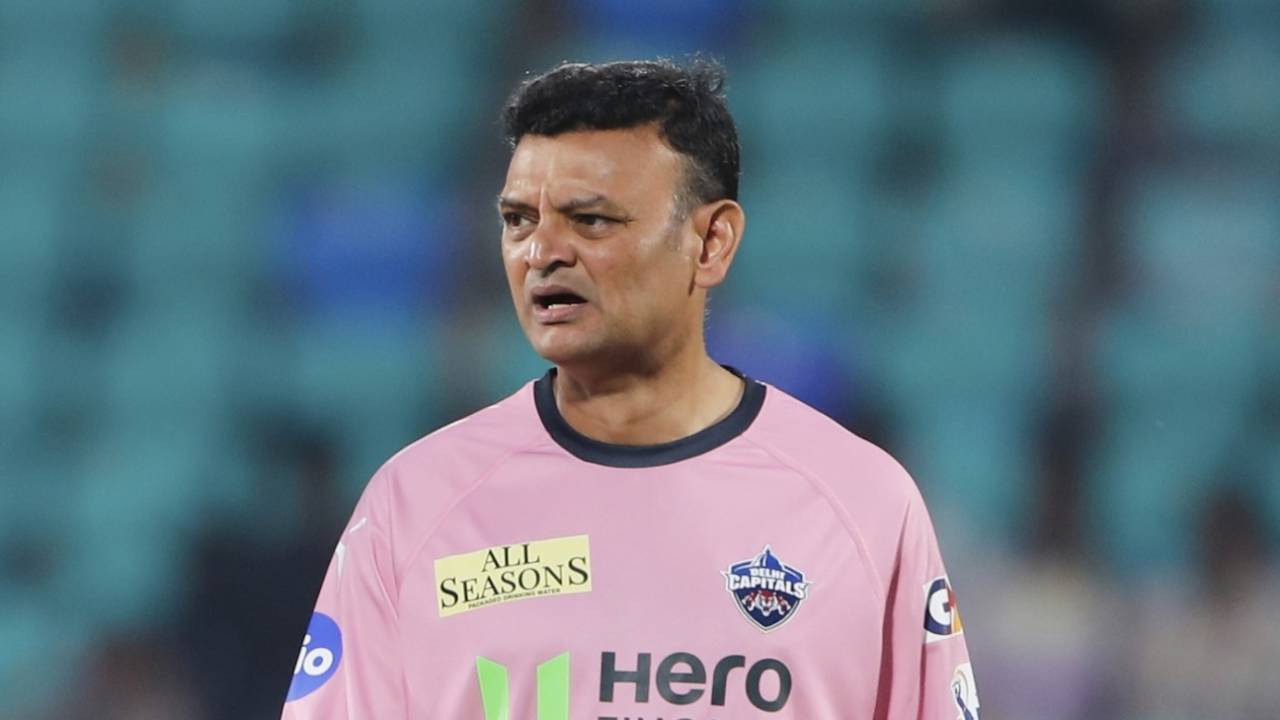
In the high-stakes environment of the Indian Premier League, the concept of ‘home advantage’ is usually a cornerstone of a team’s strategy. However, for the Delhi Capitals (DC) in the 2026 season, the Arun Jaitley Stadium has become a source of profound tactical headache rather than a fortress. After a hard-fought victory against the Rajasthan Royals on Sunday, head coach Hemang Badani offered a candid assessment of the situation: the team has effectively stopped trying to adapt to the venue, choosing instead to approach every game there as if they were playing on the road.
A Pattern of Inconsistency
The numbers paint a stark picture of the Capitals’ difficulties. While the team has enjoyed significant success in away fixtures—securing four wins in six matches—their home record is dismal, with only two victories in seven encounters. Badani pointed to a broader trend spanning back to the previous season, noting, “From last year, we’ve had five at this venue plus we’ve had seven now, which is 12 games, and we’ve only had three wins, one of them being a Super Over.”
For a team looking to secure a playoff spot, this disparity is difficult to ignore. The coaching staff has struggled to build a consistent game plan because the pitch conditions have been anything but stable. According to Badani, the surface has not been conducive to the style of play the Capitals have looked to implement, leading to erratic results that range from massive totals of 264 to humbling collapses for just 75 runs.
The Mystery of the Surface
Perhaps the most significant challenge for the coaching staff is the lack of predictability. Badani highlighted that the different strips used at the Arun Jaitley Stadium often behave in ways that defy standard assessment. “We are getting bowled out for 60; we are getting bowled out for 150; we are also scoring 260. We don’t know how Pitch No. 4 will play, how Pitch No. 5 will play, how Pitch No. 6 will play,” he explained. Typically, teams analyze the grass coverage, texture, and color to gauge how a pitch will behave. At their home venue, however, these indicators have proven unreliable, leaving the team unable to structure their side effectively.
When a team knows the ‘par score’ of a ground, they can rotate their batting order and bowling tactics accordingly. For the Capitals, every match in Delhi has felt like a leap into the unknown. Badani admits that while they accept the situation, the lack of consistency makes it nearly impossible to prepare for a home game with any sense of certainty.
Tactical Adjustments and the Way Forward
Even in their recent victory against the Rajasthan Royals, the pitch played a pivotal role in the tactical execution. Badani observed that the surface became increasingly difficult to bat on as the game progressed. “The ball was holding a bit in the surface. It wasn’t easy to bat once the ball got older,” he noted. This reality forced the Capitals to adopt a more cautious approach in the latter stages of their innings, prioritizing a deep game over aggressive, high-risk scoring.
Regarding the broader debate on whether IPL franchises should have more say in the preparation of their home pitches, Badani was pragmatic. He suggested that if consistency cannot be achieved, the BCCI needs to ensure that at least the conditions are predictable. “If it has to be a consistent decision for all, then yes, but it should at least be where you know at least what to expect,” he concluded. For now, the Delhi Capitals must continue to navigate these turbulent conditions, focusing on winning matches despite the unpredictable nature of their own backyard.
As the business end of the IPL 2026 season approaches, the Capitals will be hoping that their adaptability off-field translates to more consistent performances on it, regardless of where they are playing. For a team with playoff ambitions, mastering the ‘home away from home’ will be the ultimate test of their tactical maturity.