
Shaheen Afridi on Pakistan quicks losing speed: ‘Machines deteriorate with time’ – Shaheen Afridi Addresses Pakistan’s Pace Decline and Team Rotation

Contents
The Quest for Pace: Pakistan’s Fast Bowling Dilemma
In the landscape of international cricket, Pakistan has long been synonymous with raw pace. From the era of Imran Khan to the modern mastery of Wasim Akram and Shoaib Akhtar, the nation has prided itself on producing bowlers who could clock express speeds and unsettle the best batting lineups in the world. However, a cloud of concern has recently settled over the National Cricket Academy and the national team setup as the current generation of pacers struggles to maintain that traditional intensity.
ODI captain Shaheen Shah Afridi has openly addressed these concerns on the eve of the upcoming series opener against Australia in Rawalpindi. The drop in speed is not merely a statistical observation; it is a tactical setback. Recent performances, particularly during the 0-2 Test series defeat in Bangladesh, highlighted the gap between the two sides. While Bangladesh bowlers consistently hit the mid-140kph range, the Pakistani attack often labored in the mid-120s to low-130s, leaving them unable to consistently take 20 wickets in a match.
The ‘Machine’ Analogy
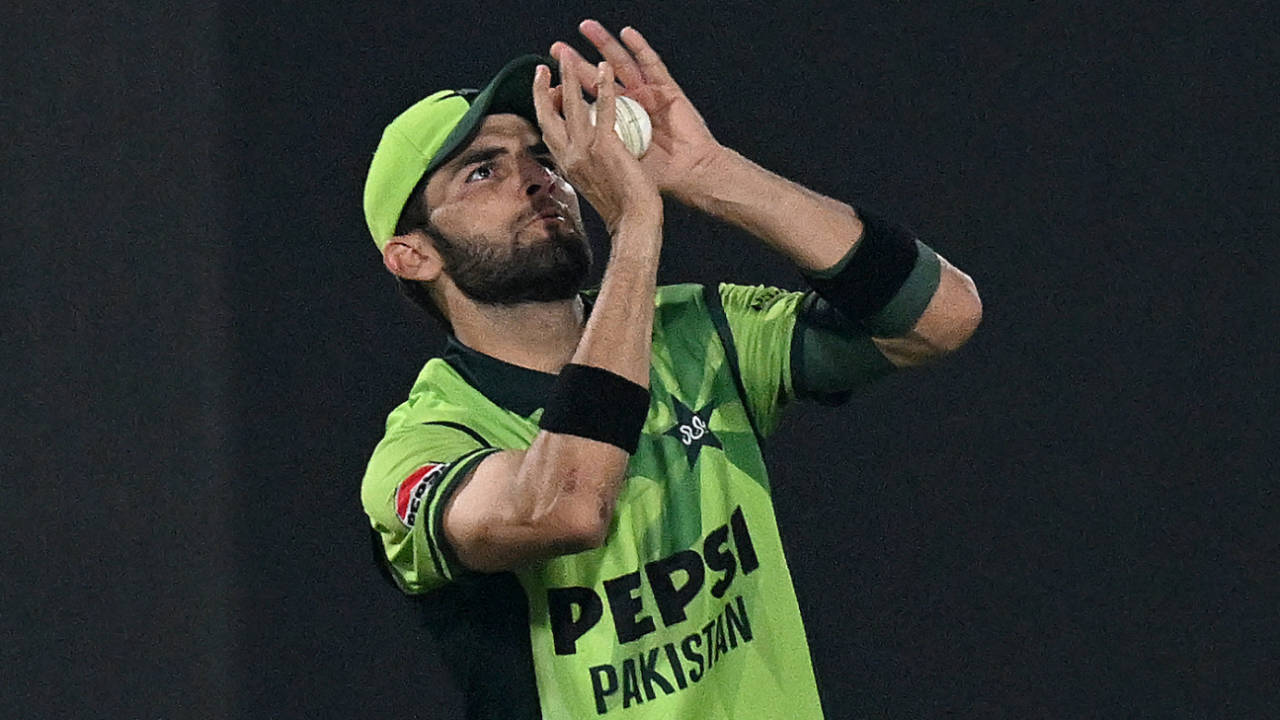
Shaheen Afridi, once the undisputed spearhead of the Pakistan attack, has personally felt the scrutiny. Since his comeback from a significant knee injury in 2022, his ability to bowl at 140kph has been inconsistent. When discussing the physical toll of modern cricket, Afridi offered a candid reflection on the state of his teammates’ bodies: “It is a norm that machines deteriorate with time. We are trying to recharge ourselves.”
Afridi noted that while young bowlers like Bangladesh’s Nahid Rana—who impressed with high-140kph spells—are currently surging, established Pakistani bowlers are dealing with the cumulative effect of a constant international schedule. “You can put more pace in the ball when your body has had rest, but our bodies remain always at Pakistan’s disposal,” he explained. The National Cricket Academy (NCA) is now working closely with the bowlers to manage workloads and implement training programs aimed at regaining lost speed.
Strategic Rotation and the Road to the World Cup
Beyond the bowling speed concerns, the selection process for the upcoming ODI series has ignited debate. With the ODI World Cup on the horizon, the selectors have opted to expand their player pool by introducing uncapped talent such as Rohail Nazir, Arafat Minhas, and Ahmed Danyal. However, the omission of Mohammad Rizwan has dominated the headlines.
Rizwan has been a cornerstone of Pakistan’s batting lineup, boasting an impressive average of over 42 in the current cycle. His absence from the ODI squad, following his recent struggles in the Test format, led to speculation regarding his future in the team. Afridi, however, was quick to temper such narratives. He emphasized that being dropped is a transient phase rather than a permanent exclusion.
“I would suggest you not to jump to conclusions,” Afridi stated. “Babar and I were also dropped from the team, but we are back. I have spoken to Rizwan about it. It is not as if his cricket is finished just because he has been dropped for this series.”
Building for the Future
The focus for the management remains firmly on the World Cup, which is 16 months away. By cycling through players and giving fringe talents international exposure, the selectors hope to create a robust, battle-tested squad. The integration of returning stars like Babar Azam, Naseem Shah, and Shadab Khan alongside new faces serves a dual purpose: maintaining competitive integrity while stress-testing the bench strength.
As Pakistan prepares for the remaining ODIs in Lahore, the eyes of the cricketing world will be on both the speed gun and the scoreboard. Whether the NCA’s new strategies can restore the fire to Pakistan’s pace battery remains to be seen, but the intent to evolve is clear. For a nation that thrives on fast-bowling excellence, the path back to the top requires not just tactical adjustments, but a sustainable approach to managing their most precious assets: the bowlers themselves.